
Today, environmental crises have become a major and urgent national issue that requires immediate action. Problems such as PM2.5 pollution and the continuous destruction of natural resources—caused by both human activities and natural disasters—are becoming increasingly severe.
Part of these disasters may stem from the excessive and unsustainable use of natural resources and energy, particularly coal and petroleum, which have been heavily consumed since the Industrial Revolution. These energy sources are finite and will eventually be depleted, meaning that the remaining resources can no longer support the long-term needs of future generations.
Therefore, it is essential to seek new sources of sustainable alternatives, known as “clean energy,” to replace traditional energy sources that are limited and rapidly running out.
What is clean energy?
Clean Energy refers to energy derived from natural sources that are environmentally friendly and do not generate harmful pollution such as carbon dioxide emissions produced during manufacturing, processing, utilization, or waste management. These emissions are among the key contributors to global warming.
Importantly, clean energy can be used continuously without running out, unlike fossil fuels such as crude oil, which exist in limited quantities and may eventually be depleted. Fossil fuel combustion also releases greenhouse gases, another major cause of global warming.
How many types of clean energy are there?
1. Naturally Derived Energy
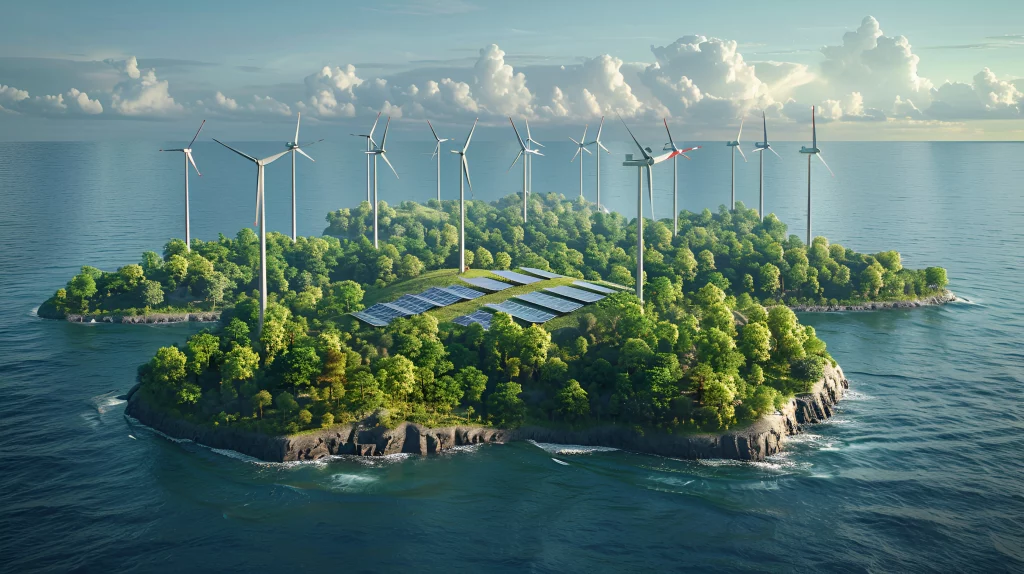
This refers to clean energy generated from natural sources such as wind, water, sunlight, and geothermal heat. In Thailand, these sources are primarily used for electricity production.
2. Human-Generated Energy
This type of clean energy is produced through human processes, such as waste-to-energy, bioenergy, and biomass energy. It is generated from organic materials, animal manure, or agricultural residues for example, bagasse, corn cobs, rice straw, palm residues, cassava pulp, chicken manure, and more. These materials are converted into various forms of energy and used as fuel for electricity generation.
What are the types of clean energy?
Solar Energy
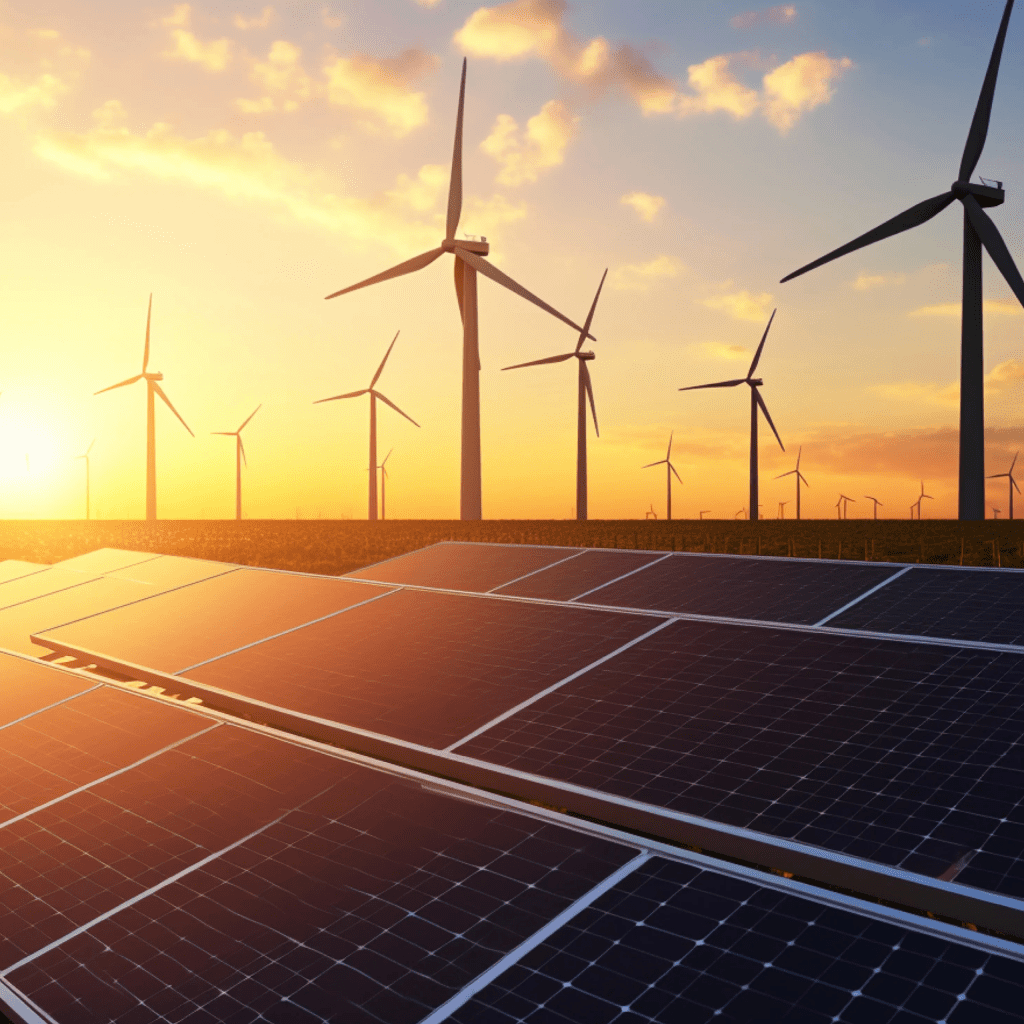
Solar energy is a clean and natural energy source derived from the radiation and heat emitted by the sun. Humans can utilize this energy in various ways, including converting it into electricity through two main methods: using solar cells (photovoltaic systems) to convert sunlight directly into electricity, and using solar thermal energy to produce high-pressure steam that drives turbines to generate electricity.Hydropower
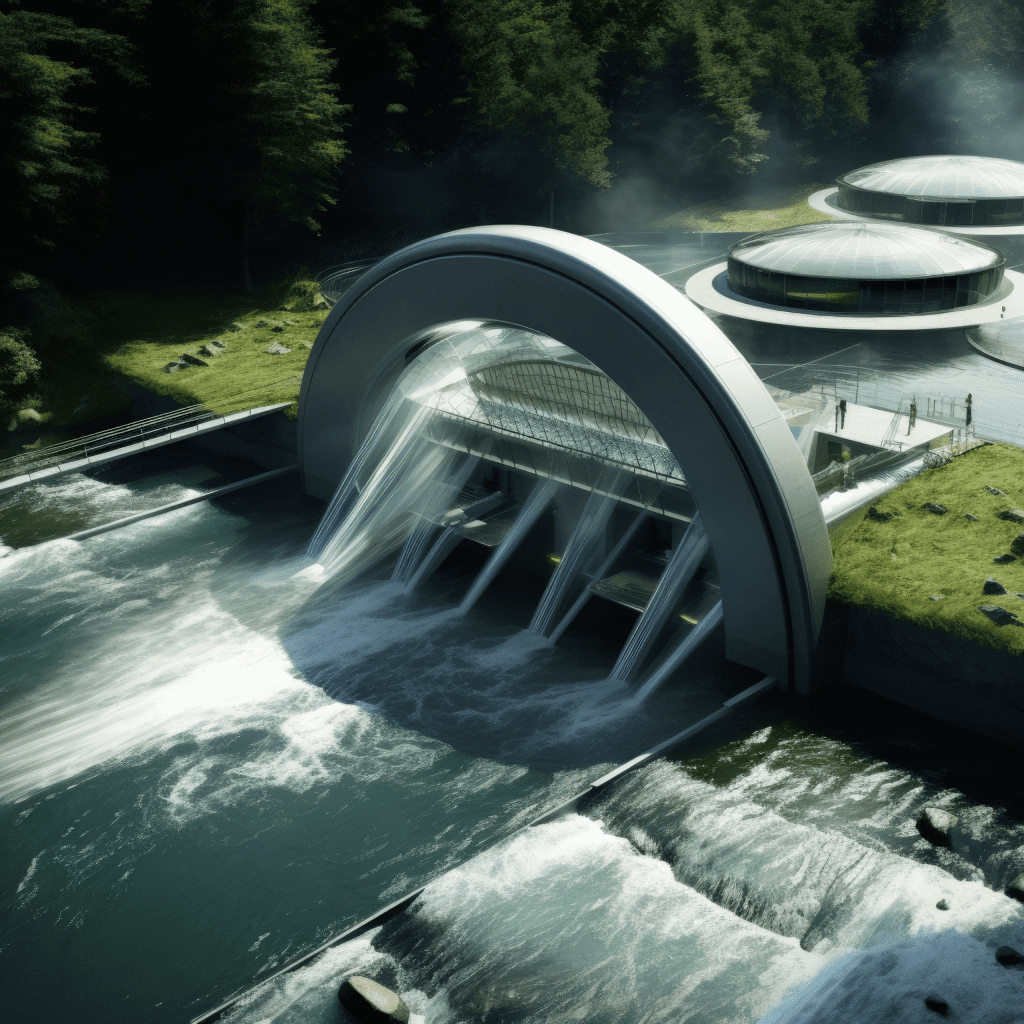
Hydropower is a clean energy source generated from the movement of water, such as water released from higher elevations, flowing rivers, or tidal movements. Many countries around the world widely use hydropower for electricity generation because it is an accessible and sustainable clean energy source.Wind Energy
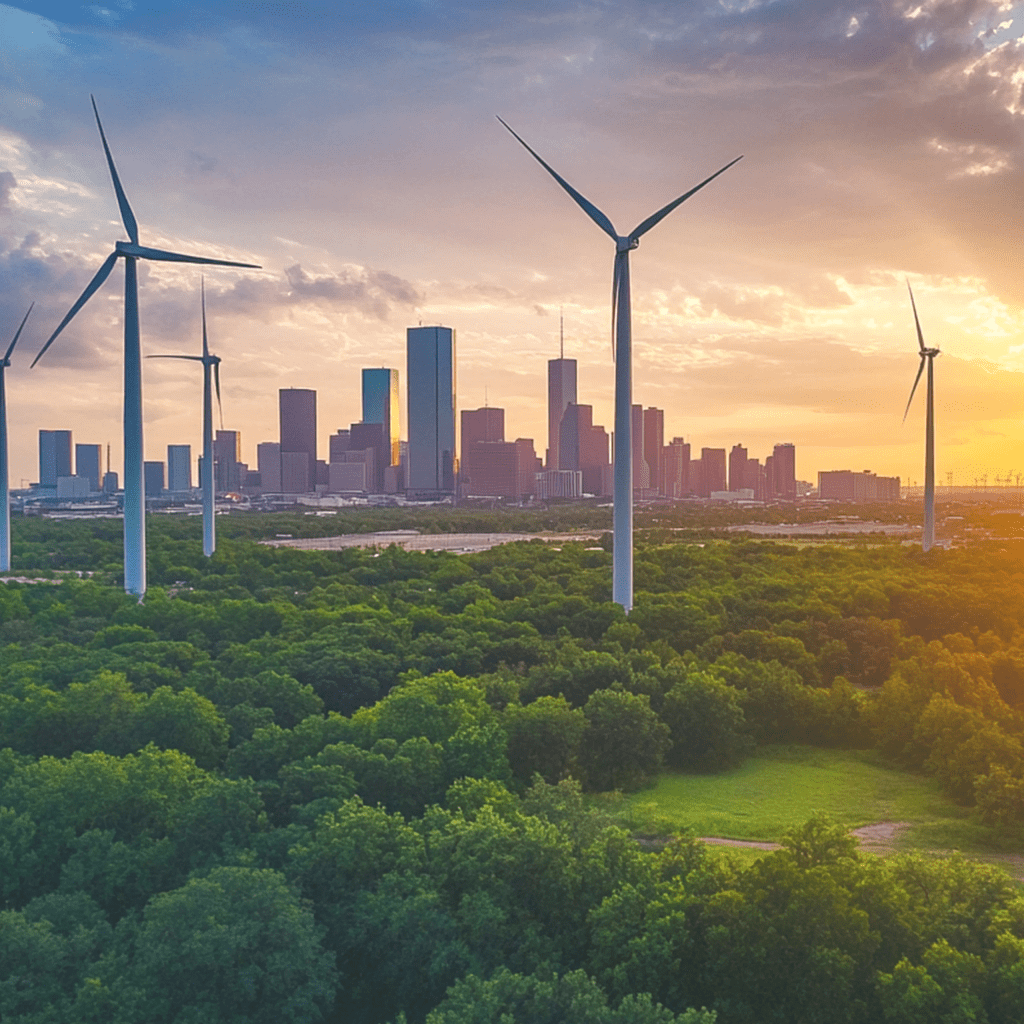
Wind energy is one of the most popular and rapidly growing clean energy sources. It has minimal environmental impact compared to the combustion of fossil fuels, and it is naturally renewable. Wind energy is harnessed by using wind turbines, which rotate to drive generators that produce electricity.Geothermal Energy
Geothermal energy is a clean, naturally occurring energy source that does not produce pollution. It is generated from pressure beneath layers of rock and heat stored deep below the Earth’s surface, found in the form of hot steam and geothermal reservoirs. This steam is then used to drive turbines to generate electricity.Biomass Energy
Biomass energy is a clean energy source produced from the conversion of biomass materials, organic matter, and agricultural residues—for example, bagasse, corn cobs, rice straw, wood chips, palm kernel cake, cassava pulp, as well as animal manure from livestock, and waste from communities or industries. These materials can be transformed into various types of energy, such as burning wood residues to generate heat or fermenting animal waste to produce biogas.
The Utilization of Clean Energy
The direct use of clean energy includes applications such as using solar energy for heating or food preservation, using wind energy to sail boats at sea, or driving windmills to grind grains.
The conversion of clean energy into fuel or electricity can be done through various technologies and devices, such as solar panels, wind turbines, and generators.
Benefits of Clean Energy
1. Accessible for Individuals to Produce on Their Own
Clean energy can be generated from naturally available sources such as sunlight, organic waste, animal manure, and agricultural residues. This enables individuals to produce clean energy for personal use without relying solely on centralized systems. As a result, it helps reduce electricity and gas expenses, allowing households to save significantly on daily living costs.
2. Renewable and Recyclable
Since wind, water, and sunlight are naturally occurring and abundant resources, they can be harnessed endlessly and regenerated through natural cycles. This makes them ideal for producing sustainable energy that can continue to support the needs of humanity in the future.
3. Environmentally Friendly
Using clean energy as an alternative such as generating electricity helps reduce expenses while lowering carbon dioxide emissions, greenhouse gases, and other forms of pollution. This makes daily living, business operations, and industrial production more environmentally friendly. Examples include using solar-powered lighting instead of conventional bulbs or installing solar panels to generate electricity for homes and factories.
4. Helps Reduce Global Warming
Clean energy does not release carbon dioxide into the atmosphere and does not create pollution as fossil fuels—such as oil, coal, and petroleum—do. Therefore, it plays a crucial role in mitigating global warming, which is escalating rapidly in today’s world.
Disadvantages of Clean Energy
1. Natural Limitations
Clean energy sources also come with certain natural limitations. For example, solar power is only available during the daytime, making it impossible to generate electricity at night. Similarly, wind turbines require sufficient wind speed in order to produce electricity. These natural constraints can sometimes result in insufficient energy production compared to actual demand.
2. Can Be Developed Only in Specific Locations
For example, wind energy requires wind farms to be built on hilltops, high mountains, coastal areas, or offshore locations where strong and consistent winds are present. Geothermal energy can only be generated in areas with underground heat reservoirs, which vary greatly from country to country.
Therefore, each type of clean energy may or may not be feasible to produce depending on the geographical and geological conditions, and some can only be developed in very specific locations.
Clean Energy: Powering the Future
With global warming intensifying year after year, the United Nations introduced the Paris Agreement as a collective effort to prevent the global temperature from rising more than 1.5°C above pre-industrial levels. The agreement aims to achieve global carbon neutrality by 2050 and to reach net-zero greenhouse gas emissions by 2065.
As Thailand is a member of the United Nations and a signatory to the Paris Agreement combined with the growing “eco-friendly” trend among younger generations and environmentally conscious citizens many businesses and industries have begun shifting toward the use of clean energy in their operations. This transition not only supports Thailand’s goal of achieving carbon neutrality and net-zero emissions within the targeted timeframe, but also enhances brand perception and consumer acceptance, particularly among younger audiences.
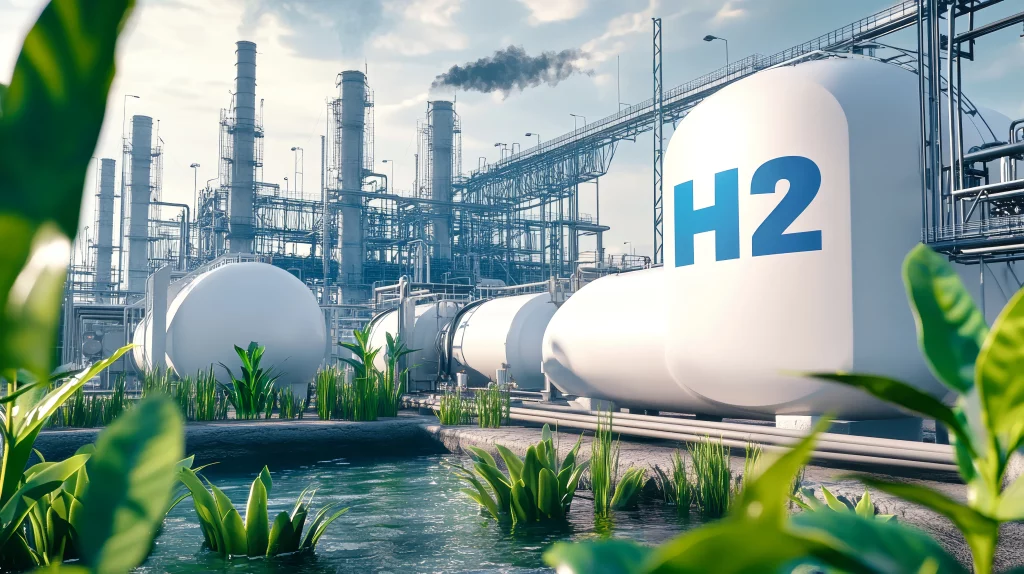
Clean energy is therefore truly the energy of the future not only because it tackles global warming at its root, but also because it contributes to a healthier, more livable environment.